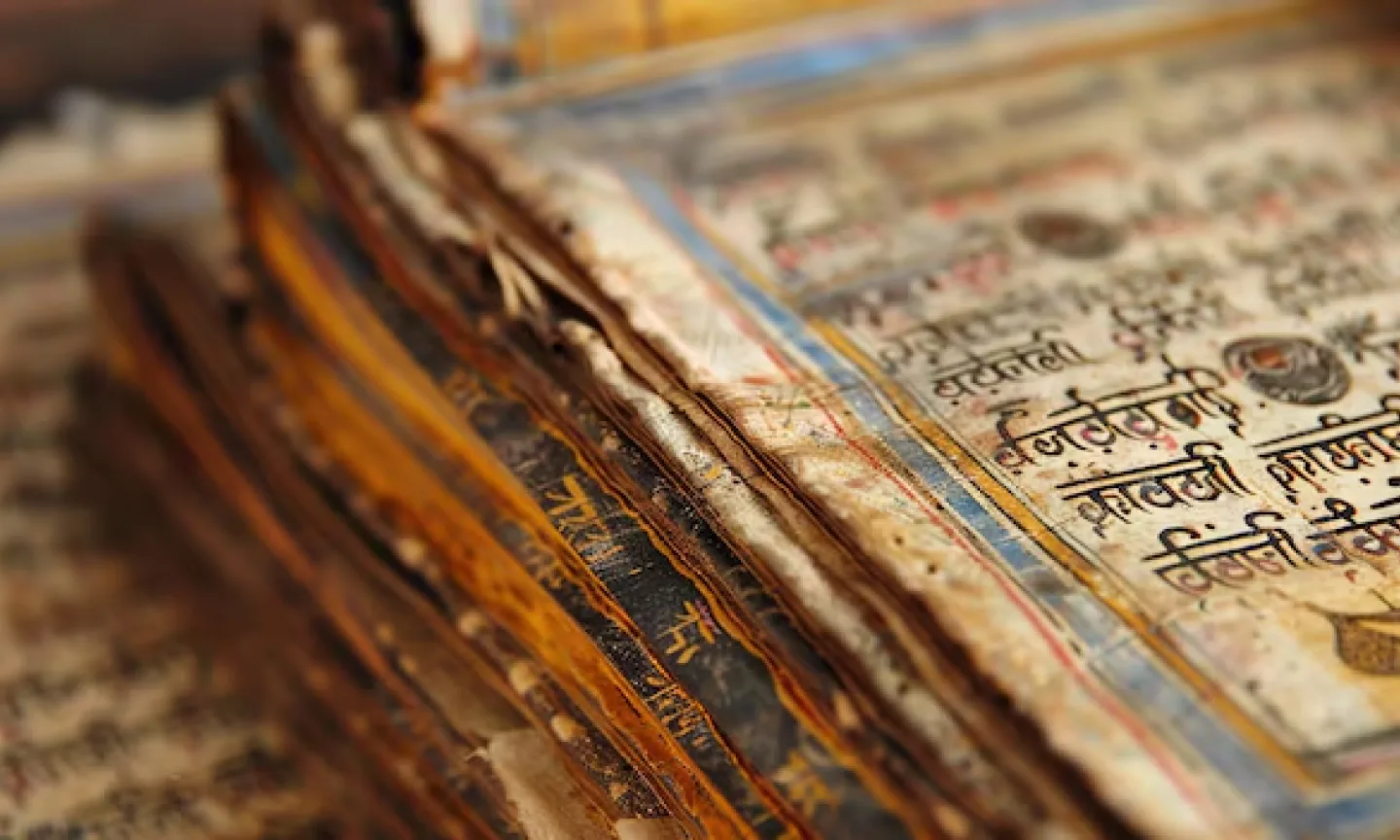
Knowledge has continuously shaped and changed how a society adapts or identifies itself. Until the introduction of modern rooms and online libraries, India had a strong time-honoured tradition of education, the Indic Knowledge Systems.
This paradigm brings together philosophy, science, the arts, and applied wisdom. The custom was not confined to books and practices, as it influenced medicine, astronomy, architecture, government, and ethical decision-making.
In this blog, we will discuss the origin, structure, and major branches of these knowledge traditions and their role in the contemporary world, as well as their significance in their preservation.
What are Indic Knowledge Systems
Indic Knowledge Systems, also known as Indian Knowledge Systems, form a system of learning which has been developed over centuries. It incorporates philosophy, science, language, arts, government, and religious questioning in one form of education. It can be traced back to ancient scholars who, in nature, doubted life and came up with practical solutions to everyday life.
Debate and interpretation, rather than strict training, were the paths to knowledge. The balance between theoretical knowledge and practical application is one of the peculiarities of ancient Indic knowledge systems, as knowledge is regarded as a tool for both individual and social professional development.
Main Branches of Indic Knowledge Systems
The Indic knowledge traditions of antiquity evolved into several interrelated branches that preserved learning across philosophical, scientific, artistic, and social life. Four major streams, amongst them, are distinguished by their influence on the traditions of education: the Vedas, Vedangas, Upavedas, and the Upangas or Shastras. All these branches had created a comprehensive, systemic pattern of knowledge in both theory and practice.
1. Vedas
The Vedas are the oldest and most basic stratification of ancient Indic systems of knowledge. Those are philosophical reflections, rituals, music, and useful wisdom, and they form a structure that has shaped future directions of knowledge and provided the fundamental framework of the Indic knowledge systems.
| Veda | Description |
| Rigveda | A collection of hymns and philosophical reflections that explore cosmology, nature, and early spiritual thought. |
| Samaveda | Focused on melodic chanting and musical traditions, influencing early forms of performance and ritual recitation. |
| Yajurveda | Provides guidance on rituals and ceremonial practices, outlining procedures for sacred observances. |
| Atharvaveda | Includes insights into healing, daily life, and social practices, reflecting practical dimensions of early society. |
2. Vedangas
Vedangas were auxiliary disciplines that were meant to uphold, elucidate, and transmit Vedic knowledge in its pure form. These auxiliary sciences ensured the accuracy of the languages, clarity of rituals, and astronomical knowledge in ancient Indic systems of knowledge.
| Discipline | Focus Area |
| Shiksha | Study of phonetics and correct pronunciation to preserve oral traditions accurately. |
| Kalpa | Ritual procedures and guidelines that structured ceremonial practices. |
| Vyakarana | Grammar and linguistic analysis, ensuring clarity and consistency in language. |
| Nirukta | Etymology and interpretation of words to uncover deeper meanings. |
| Chandas | Study of poetic metre, essential for composing and preserving verses. |
| Jyotisha | Astronomical and astrological calculations used for timekeeping and rituals. |
3. Upavedas (Applied Knowledge)
- Ayurveda: Aims to treat ailments using holistic medicine and promote health, with an emphasis on a model that prioritises the balance of lifestyle, diet, and environment.
- Dhanurveda: Is concerned with martial arts, strategy, and military training, as well as the tradition of war.
- Gandharvaveda: Deals with music, dancing and artistic expression; determines the classical music and dance traditions.
- Shilpa/Arthashastra: Deals with architecture, engineering, government and ideas of economics, which were applied sciences of ancient India.
4. Upa-angas/ Shastras (Philosophy and Social Law)
- Purana: Maintains cultural history and mythology, explains cosmology, and articulates ethical values.
- Nyaya: System of logic and reasoning which emphasises critical thinking and valid knowledge.
- Mimamsa: Focused on the interpretation and extended inquiry into texts, encouraging an analytical understanding.
- Dharmashastra: Describes the codes of conduct, social obligations and ethical standards for the functioning of the people living together in a community.
Importance of Preserving Indic Knowledge Systems
Indic Knowledge Systems form a civilisational system in which philosophy, science, government, literature, and the arts developed as inseparable ‘complementary subjects’. Understanding the importance of Indic Knowledge Systems is essential for engaging with India’s intellectual heritage in a structured, critical, and historically grounded manner.
Preserving Indic knowledge systems safeguards centuries of intellectual, cultural, and scientific heritage that offer holistic approaches to education, ethics, health, and sustainable living. It also helps future generations connect with their roots while adapting timeless wisdom to address modern challenges.
It is indeed a great starting point for learners aiming to explore India’s knowledge traditions seriously and sensibly through IKS course online.
Concluding words
Indic Knowledge Systems reflect the ancient method of learning that emphasises inquiry, moderation, and wisdom. In the fields of philosophy and science, through the arts and ethics, it is designed to remind us that knowledge was never meant to be practised in isolation but as a guide towards responsible living.
Sidhanta Knowledge Foundation’s IKS online education believes that significant insights are arrived at through considerate study and discourse, rather than passive observation. Revisiting these pillars with clarity and intention helps create meaningful spaces where learners can connect ancient knowledge with contemporary understanding, carrying this wisdom forward with both relevance and respect.
Frequently Asked Questions (FAQs)
1. What are the types of knowledge systems in India?
Indic systems of ancient knowledge can be explained in a wide range of spiritual, philosophical, scientific, artistic, and social traditions. These are the Vedic studies, the applied science of Ayurveda, the schools of philosophy, and the cultural literature.
2. What is the main role of IKS?
The major purpose of IKS is to unite knowledge, ethical living, critical thinking, and practicality. It bridges the gap between the mind and matter, promoting the harmony between personal development and social welfare.
3. What are the major branches of the Indic knowledge system?
These are the Vedas, Vedangas, Upavedas, and major philosophical Shastras. They are all taken to symbolise the very framing of the ancient Indic system of knowledge, both theoretical and disciplinary.